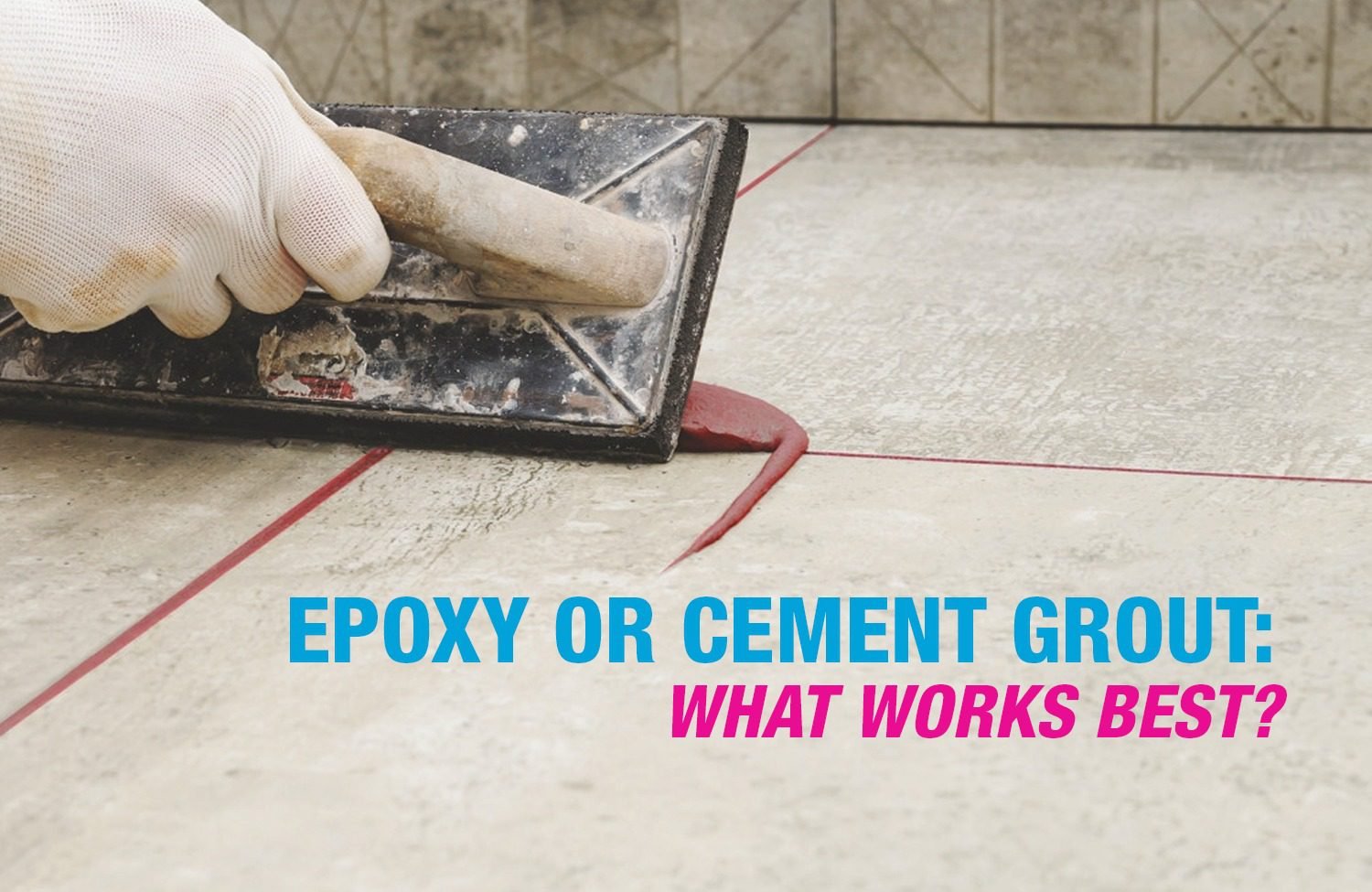
Choosing between epoxy grout and cement grout is an important decision for any tile installation project. Both options offer unique advantages in terms of durability, water resistance, maintenance, cost, and performance. Whether you are working on residential interiors, commercial spaces, or industrial projects, understanding the difference between epoxy grout vs cement grout can help you select the right solution for long-lasting and high-quality tile applications.
Table of Contents
ToggleEpoxy Grout vs Cement Grout
Epoxy grout and cement grout are two of the most widely used materials in tile installations, but both offer different levels of durability, water resistance, maintenance, and performance. Choosing the right grout can directly impact the lifespan, appearance, and strength of tiled surfaces in residential, commercial, and industrial projects.
Choosing the right grout is just as important as selecting the right adhesive for tiles system for any construction or renovation project. Whether you are designing residential spaces, commercial projects, industrial facilities, or infrastructure developments, understanding the difference between epoxy grout vs cement grout can help improve durability, aesthetics, hygiene, and long-term performance.
Both epoxy grout and cement grout are widely used in tile installations, but they serve different purposes depending on the application area, moisture exposure, chemical resistance, maintenance requirements, and budget.
In this guide, we will explain epoxy grout vs cement grout in detail, including composition, advantages, disadvantages, applications, maintenance, durability, and which option is best for your project.
What is Cement Grout?
Cement grout is a traditional tile grouting material made from cement, sand, additives, and pigments. It is commonly used in residential and commercial tile installations because of its affordability and ease of application.
Cement grout is available in two main types:
- Sanded cement grout
- Unsanded cement grout
Sanded grout is generally used for wider tile joints, while unsanded grout is preferred for narrow joints and delicate tiles.
Advantages of Cement Grout
- Cost-effective solution for standard tile projects
- Easy to apply and repair
- Available in multiple colors
- Suitable for dry indoor applications
- Widely used for residential flooring and walls
Limitations of Cement Grout
- Absorbs water and stains easily
- Requires regular sealing
- Can crack over time
- Less resistant to chemicals and heavy traffic
- Prone to mold and mildew in wet areas
What is Epoxy Grout?
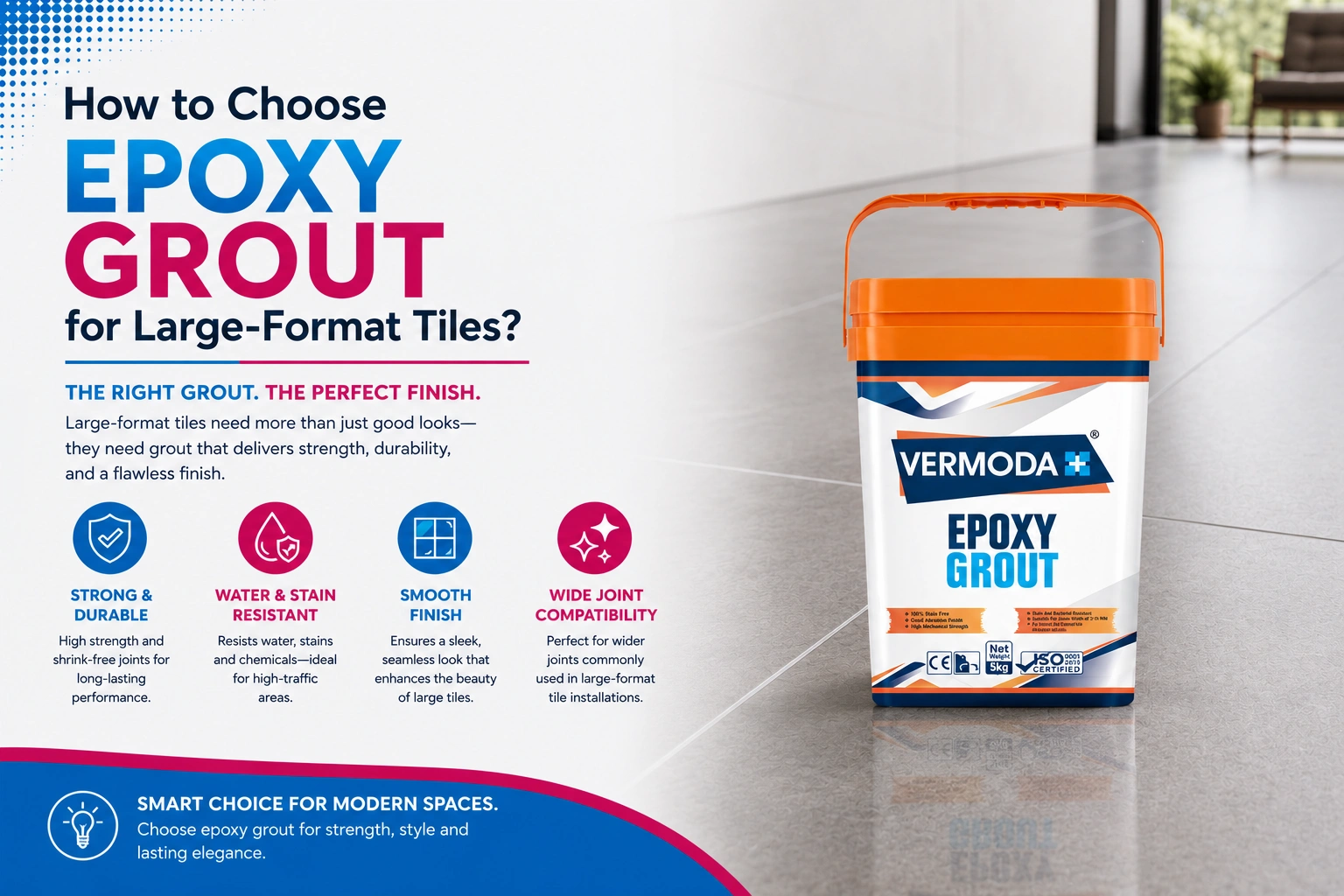
Epoxy grout is a high-performance grout made using epoxy resins, fillers, and hardeners. Unlike cement grout, epoxy grout is non-porous and highly resistant to moisture, chemicals, stains, and bacteria.
Epoxy grout is commonly used in commercial kitchens, hospitals, swimming pools, industrial facilities, laboratories, and premium residential projects where durability and hygiene are important.
Advantages of Epoxy Grout
- Highly water-resistant
- Stain-resistant and chemical-resistant
- Extremely durable and long-lasting
- Prevents mold and bacterial growth
- Maintains color consistency over time
- Ideal for high-traffic and wet areas
- Requires very low maintenance
Limitations of Epoxy Grout
- Higher initial cost compared to cement grout
- Requires skilled application
- Faster setting time
- Cleaning during installation must be done carefully
Epoxy Grout vs Cement Grout: Key Differences
| Feature | Epoxy Grout | Cement Grout |
|---|---|---|
| Water Resistance | Excellent | Moderate |
| Stain Resistance | Excellent | Low |
| Durability | Very High | Medium |
| Maintenance | Low | High |
| Chemical Resistance | Excellent | Limited |
| Crack Resistance | High | Moderate |
| Cost | Higher | Affordable |
| Application Difficulty | Moderate to High | Easy |
| Suitable for Wet Areas | Yes | Limited |
| Lifespan | Long-lasting | Moderate |
Which Grout is Better for Different Applications?
Residential Projects
For standard residential spaces such as bedrooms and living rooms, cement grout can be a budget-friendly option. However, for kitchens, bathrooms, balconies, and premium interiors, epoxy grout offers superior durability and stain resistance.
Commercial Spaces
Commercial areas experience heavy foot traffic and frequent cleaning. In such cases, epoxy grout is often the preferred choice because it provides better resistance against stains, moisture, and wear.
Industrial and Infrastructure Projects
Industrial facilities, food processing plants, laboratories, hospitals, and infrastructure projects require chemical resistance and long-term performance. Epoxy grout performs significantly better in these demanding environments.
Why Epoxy Grout is Becoming Popular in Modern Construction
Modern architecture and construction projects focus heavily on durability, aesthetics, hygiene, and low maintenance. This is one reason why epoxy grout is increasingly preferred over traditional cement grout.
Builders, architects, and project consultants now prioritize long-lasting tile installation systems that reduce maintenance costs and improve overall project quality.
Epoxy grout not only enhances the appearance of tiled surfaces but also increases the lifespan of tile installations in demanding environments.
Importance of Choosing the Right Tile Adhesive Along with Grout
Selecting the right grout alone is not enough. A high-quality tile adhesive system also plays a major role in ensuring tile durability and bonding strength.
You can read our detailed guide on choosing the right tile adhesive guide for floor and wall applications.
Vermoda Plus: Leading Tile Adhesive and Grout Manufacturer in India
Vermoda Plus is one of the leading names in the construction solutions industry and is recognized for offering one of the widest product portfolios in India. Vermoda Plus is among the only tile adhesive manufacturers in India with such a large variety of advanced construction products for different applications.
From tile adhesives and tile epoxy grouts to waterproofing and construction chemicals, Vermoda Plus has established strong dominance in the Indian market as a trusted manufacturer and supplier for residential, commercial, industrial, and infrastructure projects.
The company focuses on innovation, product quality, durability, and modern construction requirements, making it a preferred choice for builders, architects, contractors, and developers across India.
Maintenance Comparison: Epoxy Grout vs Cement Grout
Cement Grout Maintenance
Cement grout requires regular cleaning and sealing to maintain appearance and durability. Over time, it can discolor, absorb moisture, and develop cracks.
Epoxy Grout Maintenance
Epoxy grout is much easier to maintain because it is non-porous. It resists stains, chemicals, and moisture, making cleaning simple and cost-effective.
For high-traffic commercial spaces and luxury residential interiors, epoxy grout provides better long-term value despite the higher upfront cost.
Cost Comparison Between Epoxy Grout and Cement Grout
Cement grout is generally more affordable initially, making it suitable for budget-sensitive projects.
However, epoxy grout offers better long-term performance and lower maintenance costs. Although the initial investment is higher, its durability and reduced repair requirements often make it more economical over time.
How to Choose Between Epoxy Grout and Cement Grout
When deciding between epoxy grout vs cement grout, consider the following factors:
- Exposure to moisture
- Foot traffic levels
- Chemical exposure
- Maintenance expectations
- Project budget
- Desired lifespan
- Hygiene requirements
- Aesthetic preferences
For premium, heavy-duty, and moisture-prone applications, epoxy grout is usually the better choice.
Conclusion
Understanding epoxy grout vs cement grout is essential for selecting the right tile installation system for your project. While cement grout remains a practical option for standard applications, epoxy grout delivers superior durability, stain resistance, water resistance, and long-term performance.
For builders, architects, contractors, and developers looking for reliable tile adhesive and grout solutions, choosing high-quality products can significantly improve project quality and durability.
Vermoda Plus offers advanced tile adhesive and epoxy grout solutions designed for modern construction requirements across residential, commercial, and industrial sectors.
FAQs
Is epoxy grout better than cement grout?
Epoxy grout is generally better for wet areas, commercial spaces, industrial projects, and high-traffic environments because it offers superior durability, stain resistance, and water resistance.
Does cement grout crack easily?
Cement grout can develop cracks over time, especially in areas exposed to moisture, movement, or heavy traffic.
Is epoxy grout waterproof?
Yes, epoxy grout is highly water-resistant and non-porous, making it ideal for bathrooms, kitchens, swimming pools, and industrial applications.
Contact Vermoda Plus
Looking for premium tile adhesive and epoxy grout solutions for your next project?
- Call us: +91 9713200009
- Whatsapp us: +918901100000
- Email us: info@vermodaplus.com