Selecting the right tile joint filler is just as important as choosing the tile itself. While tiles create the visual appeal of a space, the filler used between tile joints plays a critical role in durability, waterproofing, hygiene, and long-term performance. Choosing the wrong filler can lead to cracking, water penetration, discoloration, and costly repairs.
Whether you’re working on a residential bathroom, commercial flooring project, luxury interior, or industrial facility, understanding how to choose the best tile joint filler for different tile sizes can significantly improve installation quality and lifespan.
Table of Contents
ToggleWhy Tile Joint Fillers Matter?
Tile joint fillers are designed to fill the gaps between adjacent tiles and provide structural support, moisture protection, and aesthetic consistency. They also help absorb minor movement within tiled surfaces while preventing dirt and water from entering the joints.
Benefits of using the right tile joint filler include:
- Improved tile durability
- Better water resistance
- Enhanced aesthetics
- Reduced maintenance requirements
- Increased lifespan of tiled surfaces
For builders, architects, contractors, and homeowners, selecting the correct filler is essential for long-term project success.
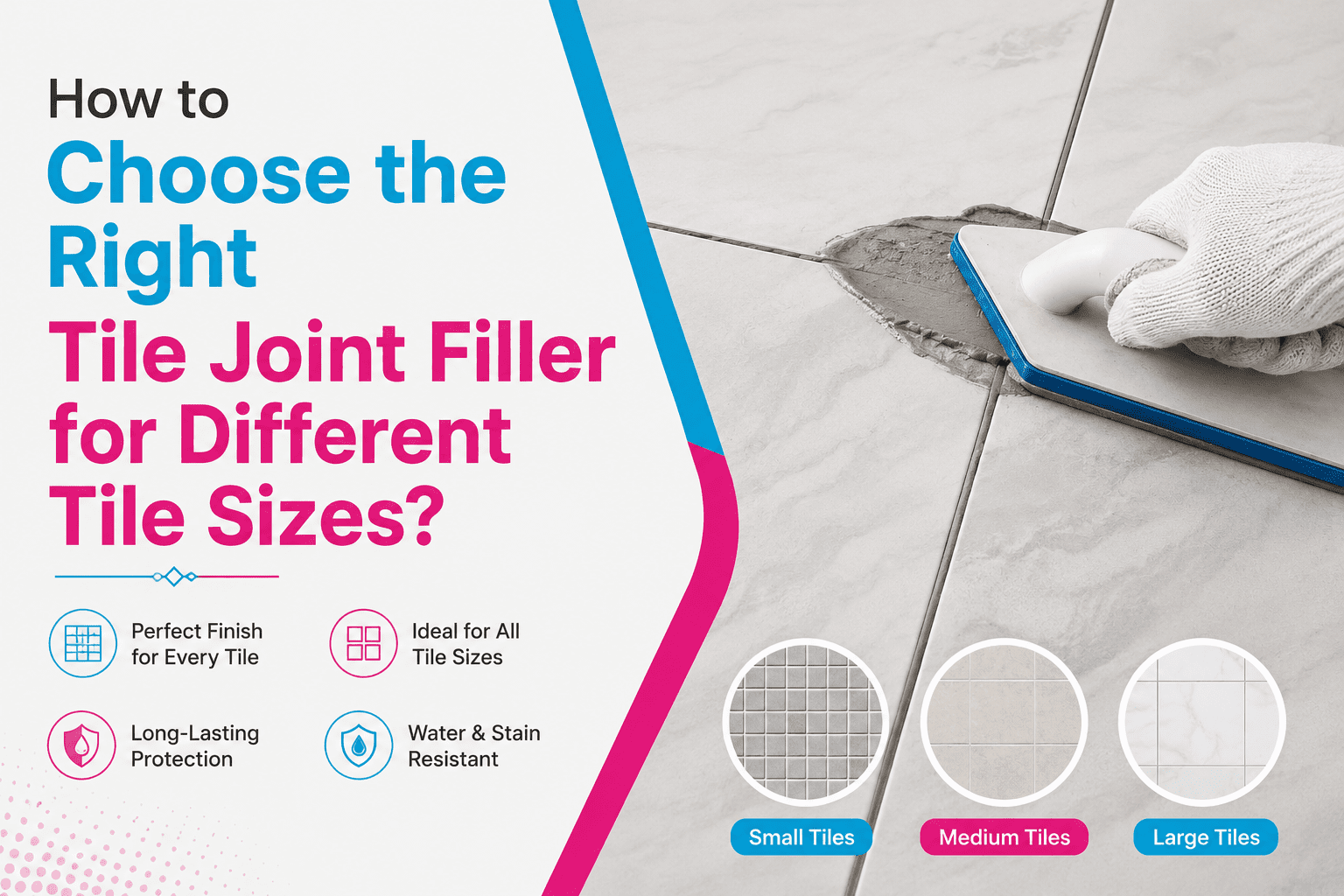
Understanding Tile Sizes and Joint Widths
Different tile sizes require different joint widths and filler materials.
Small Tiles (Up to 150 x 150 mm)
Smaller tiles typically have narrow joints ranging from 1 mm to 3 mm.
Recommended Filler:
- Fine-grade tile joint grout
- Smooth epoxy grout systems
- Flexible grout fillers
These fillers provide a neat finish while maintaining strong joint integrity.
Medium Tiles (300 x 300 mm to 600 x 600 mm)
Medium-sized tiles are commonly used in residential and commercial projects.
Recommended Filler:
- Standard grout fillers
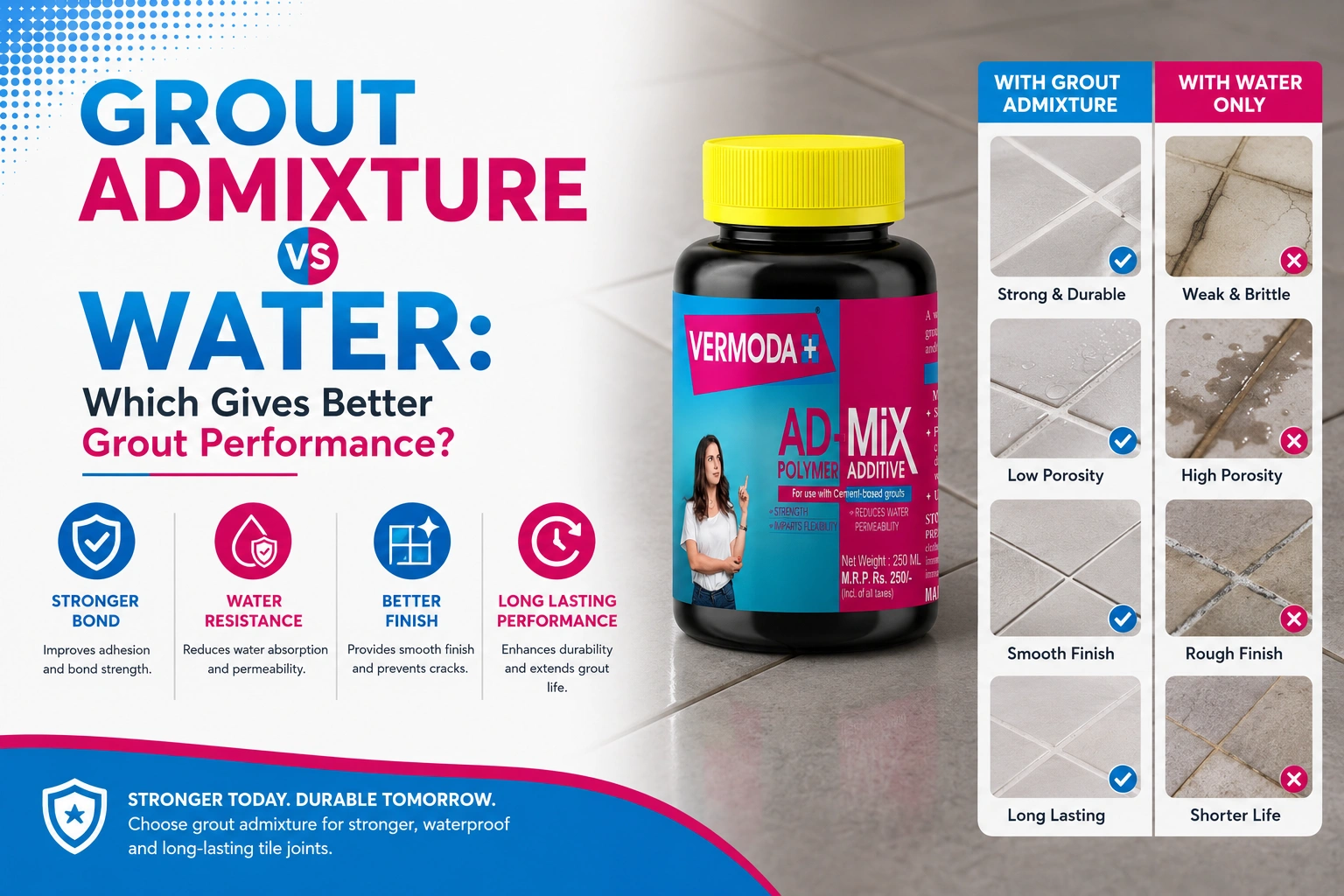
- Polymer-modified grout
- Epoxy tile grout systems
These products provide excellent durability and help accommodate moderate movement.
Large Format Tiles (Above 600 x 600 mm)
Large-format tiles have become increasingly popular in modern architecture because of their seamless appearance.
Recommended Filler:
- High-performance grout systems
- Flexible joint fillers
- Premium epoxy tile grout
Large tiles require fillers capable of handling substrate movement and thermal expansion.
Types of Tile Joint Fillers
Cement-Based Fillers
Traditional cement-based fillers are widely used because they are affordable and easy to apply.
Advantages:
- Cost-effective
- Suitable for standard applications
- Available in multiple colors
Limitations:
- Absorb moisture
- Require periodic maintenance
- More prone to staining
Epoxy Grout Fillers
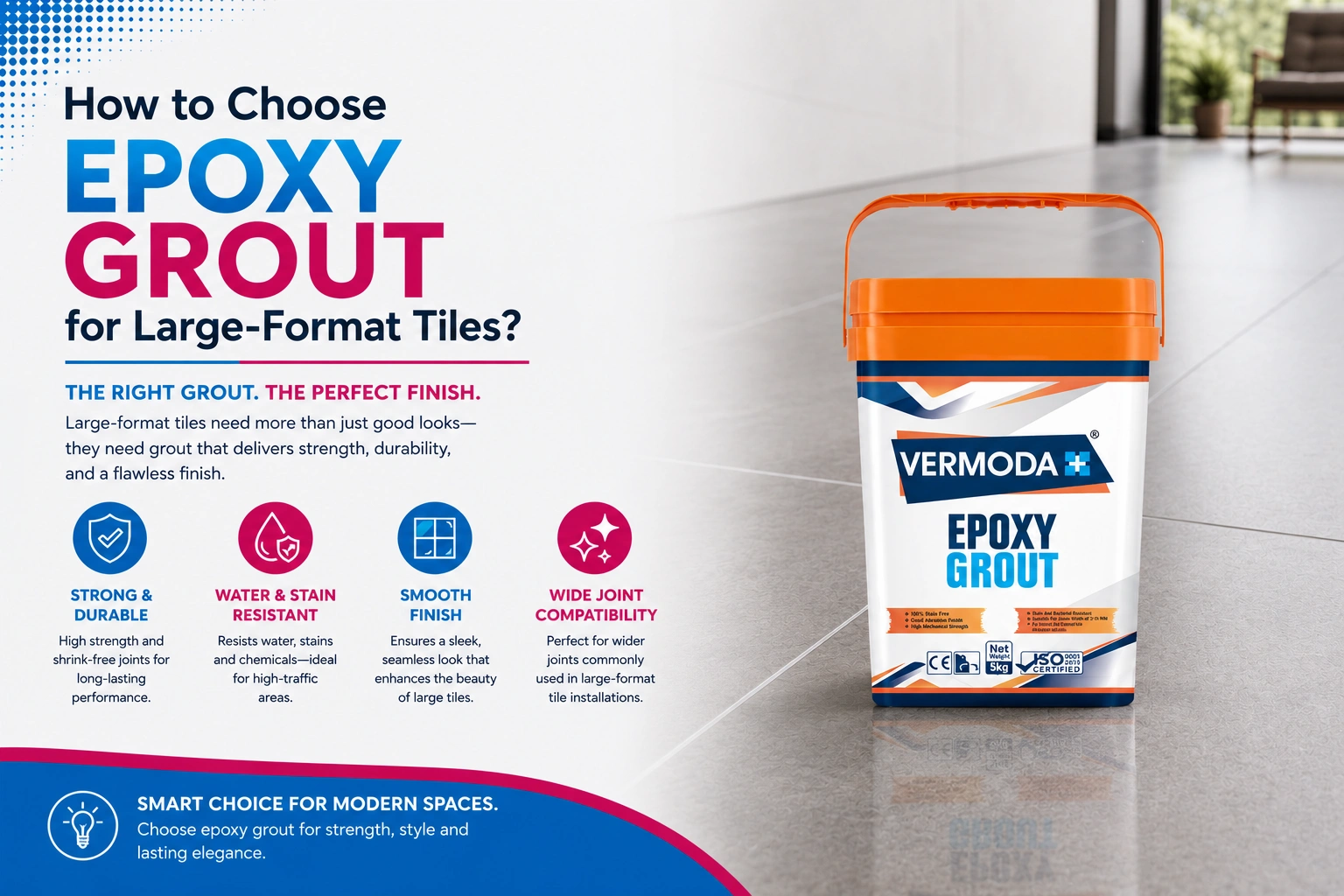
Modern projects increasingly use best epoxy grout systems because they provide superior durability and resistance to water, stains, and chemicals.
Advantages:
- Waterproof performance
- Excellent durability
- Crack resistance
- Easy maintenance
- Long-lasting color retention
Read Also: Types of Epoxy Grout
How to Select the Best Tile Joint Filler?
Consider Tile Size
Larger tiles require stronger and more flexible fillers than smaller tiles.
Evaluate Moisture Exposure
Bathrooms, kitchens, balconies, and swimming pools benefit from epoxy-based fillers because of their water-resistant properties.
Assess Traffic Levels
Commercial and industrial projects require durable grout systems capable of handling heavy foot traffic.
Match Design Requirements
Choose grout colors and finishes that complement the overall tile design and architectural style.
Why Epoxy Tile Grout is Becoming the Preferred Choice?
Modern construction projects increasingly rely on epoxy tile grout because of its superior performance compared to conventional grout systems.
Benefits include:
- Stain resistance
- Waterproof protection
- Chemical resistance
- Long-term durability
- Low maintenance
These advantages make epoxy grout ideal for both residential and commercial applications.
Importance of Using Quality Adhesive Tiles Systems
A successful tile installation depends on more than grout alone. High-performance adhesive tiles systems ensure proper bonding between tiles and substrates.
Benefits include:
- Strong bonding strength
- Reduced tile movement
- Improved durability
- Enhanced installation performance
Maintaining Tile Joints After Installation
Even premium fillers require routine care to maintain appearance and performance.
Using a suitable tile cleaner liquid helps:
- Remove dirt and stains
- Preserve grout color
- Improve hygiene
- Extend tile lifespan
Regular maintenance is especially important in commercial and high-traffic environments.
Vermoda Plus: One of India’s Leading Tile Adhesive Manufacturers
Vermoda Plus is recognized as one of the only best tile adhesive manufacturers in India offering one of the largest portfolios of construction solutions under a single brand.
The company has established strong market leadership through its extensive range of tile adhesives, epoxy grout systems, waterproofing products, and construction chemicals. With one of the widest product portfolios in the industry, Vermoda Plus has become one of India’s biggest manufacturers and suppliers serving residential, commercial, industrial, and infrastructure projects.
Builders, architects, contractors, developers, and project managers trust Vermoda Plus because of its commitment to quality, innovation, and high-performance construction solutions.
Common Mistakes When Selecting Tile Joint Fillers
Avoid these common mistakes:
- Choosing fillers based only on cost
- Ignoring tile size requirements
- Using cement grout in high-moisture areas
- Overlooking maintenance requirements
- Selecting unsuitable grout for commercial environments
Proper product selection helps prevent future repair costs and performance issues.
Conclusion
Choosing the best tile joint filler depends on several factors, including tile size, joint width, environmental conditions, traffic levels, and maintenance expectations. While traditional fillers remain suitable for certain applications, modern epoxy grout systems provide superior durability, waterproofing, and long-term performance.
For builders, architects, contractors, and homeowners looking for reliable tile installation solutions, selecting the right filler can significantly improve project quality and lifespan.
Vermoda Plus offers advanced grout and tile installation products designed to meet the evolving needs of modern construction projects across India.
FAQs
What is the best tile joint filler for large tiles?
Epoxy grout is often recommended for large-format tiles because of its strength, flexibility, and durability.
Is epoxy grout better than cement grout?
Yes. Epoxy grout generally offers better water resistance, stain resistance, and durability compared to traditional cement grout.
Can tile joint fillers prevent water leakage?
High-quality waterproof grout systems can significantly reduce water penetration through tile joints.
How often should tile joints be maintained?
Regular cleaning and periodic inspections help maintain grout performance and appearance.
Which grout is best for commercial projects?
Epoxy grout is commonly preferred for commercial projects because of its durability and low maintenance requirements.
Contact Vermoda Plus
Need help choosing the right tile joint filler for your project?
- Call us: +91 9713200009
- Whatsapp us: +918708521730
- Email us: info@vermodaplus.com