Selecting the right grout is essential for ensuring the durability, appearance, and long-term performance of tile installations. Among the various grout options available today, epoxy grout has become a preferred choice for residential, commercial, and industrial projects because of its superior strength, stain resistance, and water-resistant properties. Understanding the different types of epoxy grouts and their applications can help builders, architects, contractors, and project managers choose the most suitable solution for their specific requirements.
Table of Contents
ToggleWhat is Epoxy Grout?
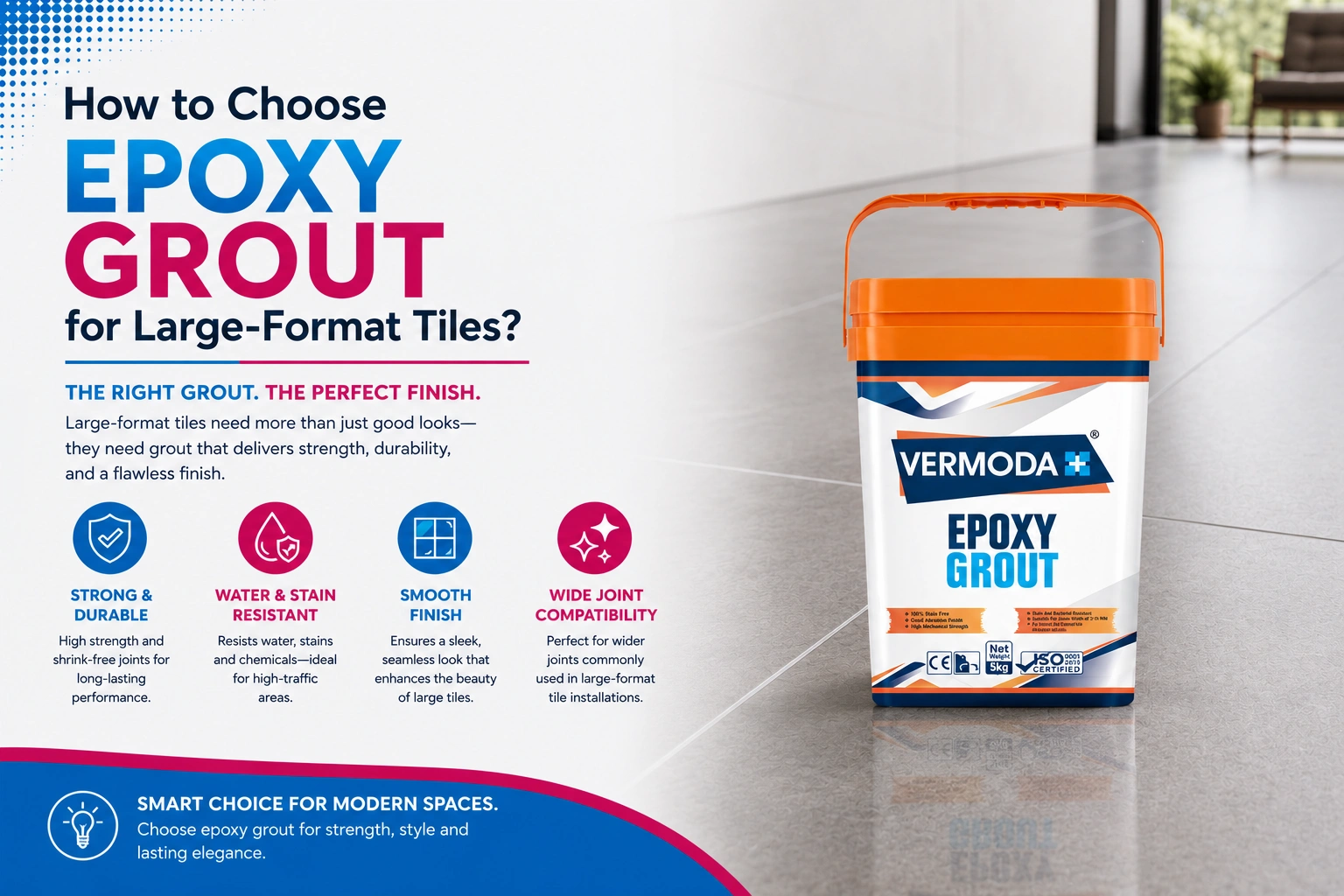
Epoxy grout is a high-performance grout system made from epoxy resins, hardeners, and fillers. Unlike traditional cement-based grout, epoxy grout is non-porous, making it highly resistant to water, stains, chemicals, and bacterial growth.
These characteristics make epoxy grout an ideal choice for projects where durability, hygiene, and low maintenance are important considerations.
Why Epoxy Grout is Popular in Modern Construction?
Epoxy grout has gained significant popularity because it offers several advantages over conventional grout systems.
Some key benefits include:
- Superior durability
- Excellent water resistance
- High stain resistance
- Long-lasting color retention
- Chemical resistance
- Reduced maintenance requirements
Because of these advantages, epoxy grout is widely used in commercial buildings, luxury residences, industrial facilities, hospitals, hotels, and infrastructure projects.
Different Types of Epoxy Grouts
1. Standard Epoxy Grout
Standard epoxy grout is commonly used for residential and commercial tile installations. It provides excellent bonding strength and protection against moisture and stains.
Applications:
- Bathrooms
- Kitchens
- Living rooms
- Commercial flooring
- Office spaces
This type of grout is suitable for projects requiring durability and aesthetic appeal.
2. Waterproof Epoxy Grout
Waterproof epoxy grout is specifically designed for areas exposed to constant moisture and water contact. Its non-porous composition prevents water absorption and protects tile joints from mold and mildew growth.
Applications:
- Swimming pools
- Shower areas
- Spa facilities
- Water features
- Balconies
Waterproof epoxy grout is widely preferred in wet environments where long-term moisture protection is essential.
3. Chemical Resistant Epoxy Grout
Chemical-resistant epoxy grout is formulated to withstand exposure to harsh chemicals, acids, solvents, and cleaning agents.
Applications:
- Pharmaceutical facilities
- Food processing plants
- Chemical manufacturing units
- Laboratories
Its exceptional resistance makes it suitable for demanding industrial environments.
4. Decorative Epoxy Grout
Decorative epoxy grout is available in a wide range of colors and finishes. It allows architects and designers to create visually appealing tile installations without compromising durability.
Applications:
- Luxury homes
- Hotels
- Retail spaces
- Feature walls
- Premium commercial interiors
Decorative epoxy grout enhances aesthetics while providing excellent performance.
Read Also: Mistakes to Avoid While Using Tile Adhesive
5. Heavy-Duty Industrial Epoxy Grout
Heavy-duty industrial epoxy grout is designed for areas subjected to high loads, heavy traffic, and challenging operating conditions.
Applications:
- Warehouses
- Airports
- Shopping malls
- Industrial plants
- Logistics facilities
This type of grout offers exceptional strength and long-term reliability.
Applications of Epoxy Tile Grout in Modern Projects
Modern construction projects increasingly rely on epoxy tile grout because of its ability to provide superior performance compared to conventional grout systems.
Epoxy grout is commonly used in:
- Commercial kitchens
- Healthcare facilities
- Hospitality projects
- Residential bathrooms
- Industrial flooring systems
Its stain-resistant and waterproof properties help maintain the appearance and durability of tiled surfaces for years.
Importance of Quality Tile Adhesive Systems
A successful tile installation depends on both grout and adhesive performance. Using a high-quality tile adhesive chemical helps create a strong bond between tiles and the substrate.
Benefits include:
- Improved tile stability
- Better load distribution
- Reduced risk of tile failure
- Enhanced installation lifespan
Premium adhesive systems complement epoxy grout and contribute to overall project success.
Maintaining Epoxy Grout Installations
Although epoxy grout requires less maintenance than traditional grout, proper care is still important.
Using a suitable room cleaner liquid helps preserve the appearance and cleanliness of tiled surfaces without damaging grout joints.
Recommended maintenance practices include:
- Regular cleaning
- Immediate stain removal
- Periodic inspections
- Use of non-abrasive cleaning products
These steps help maximize the lifespan and performance of epoxy grout installations.
Vermoda Plus: One of India’s Leading Tile Adhesive Manufacturers
Vermoda Plus is recognized as one of the only best tile adhesive manufacturers in India offering one of the widest portfolios of construction solutions under a single brand.
The company has established itself as one of India’s biggest manufacturers and suppliers by consistently delivering high-quality tile adhesives, epoxy grout systems, waterproofing products, and construction chemicals.
With solutions designed for residential, commercial, industrial, and infrastructure projects, Vermoda Plus continues to lead the industry through innovation, product quality, and technical expertise.
Its extensive portfolio enables builders, architects, contractors, and developers to source complete tile installation solutions from a trusted manufacturer.
Why Professionals Choose Vermoda Plus?
Industry professionals trust Vermoda Plus because of:
- Comprehensive product range
- Advanced manufacturing standards
- Consistent product quality
- Technical support
- Proven project performance
These advantages make Vermoda Plus a preferred partner for modern construction projects across India.
Conclusion
Understanding the different types of epoxy grouts and their applications is essential for selecting the right grout system for any project. Whether the requirement is waterproofing, chemical resistance, decorative finishes, or heavy-duty industrial performance, epoxy grout offers a durable and long-lasting solution.
When combined with premium tile adhesive systems and proper maintenance practices, epoxy grout helps deliver attractive, reliable, and high-performance tile installations across a wide range of applications.
Vermoda Plus continues to provide innovative grout and adhesive solutions that support the evolving needs of India’s construction industry.
FAQs
What are the main types of epoxy grouts?
The main types include standard epoxy grout, waterproof epoxy grout, chemical-resistant epoxy grout, decorative epoxy grout, and heavy-duty industrial epoxy grout.
Is waterproof epoxy grout suitable for bathrooms?
Yes. Waterproof epoxy grout is ideal for bathrooms, showers, swimming pools, and other moisture-prone environments.
Why is epoxy grout better than cement grout?
Epoxy grout offers better durability, stain resistance, water resistance, and color retention compared to cement grout.
Can epoxy grout be used in industrial facilities?
Yes. Heavy-duty industrial epoxy grout is specifically designed for demanding industrial applications.
How should epoxy grout be maintained?
Regular cleaning using appropriate room cleaner liquid products and periodic inspections help maintain grout appearance and performance.
Contact Vermoda Plus
Looking for expert guidance on epoxy grout and tile adhesive solutions?
- Call us: +91 9713200009
- Whatsapp us: +918708521730
- Email us: info@vermodaplus.com