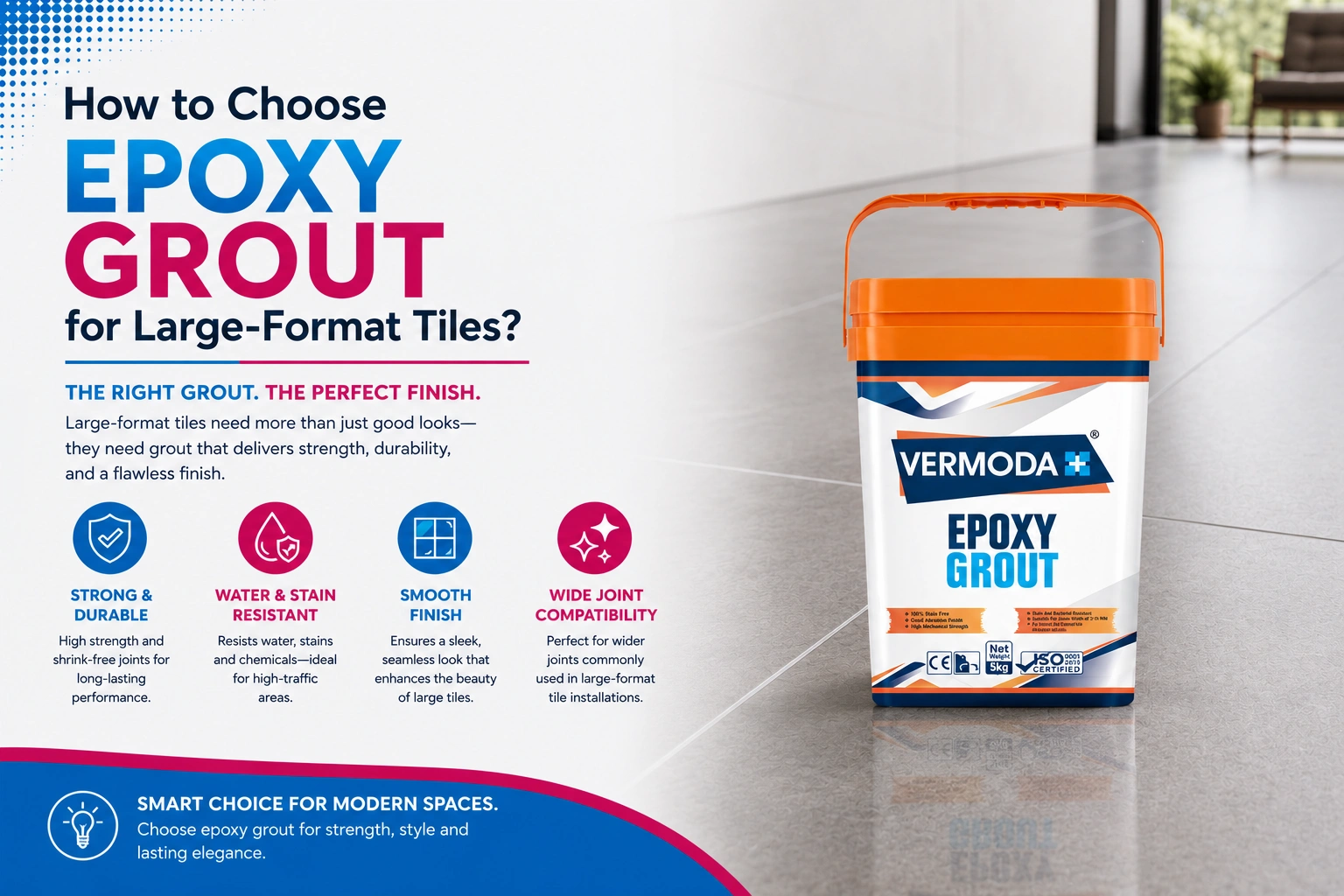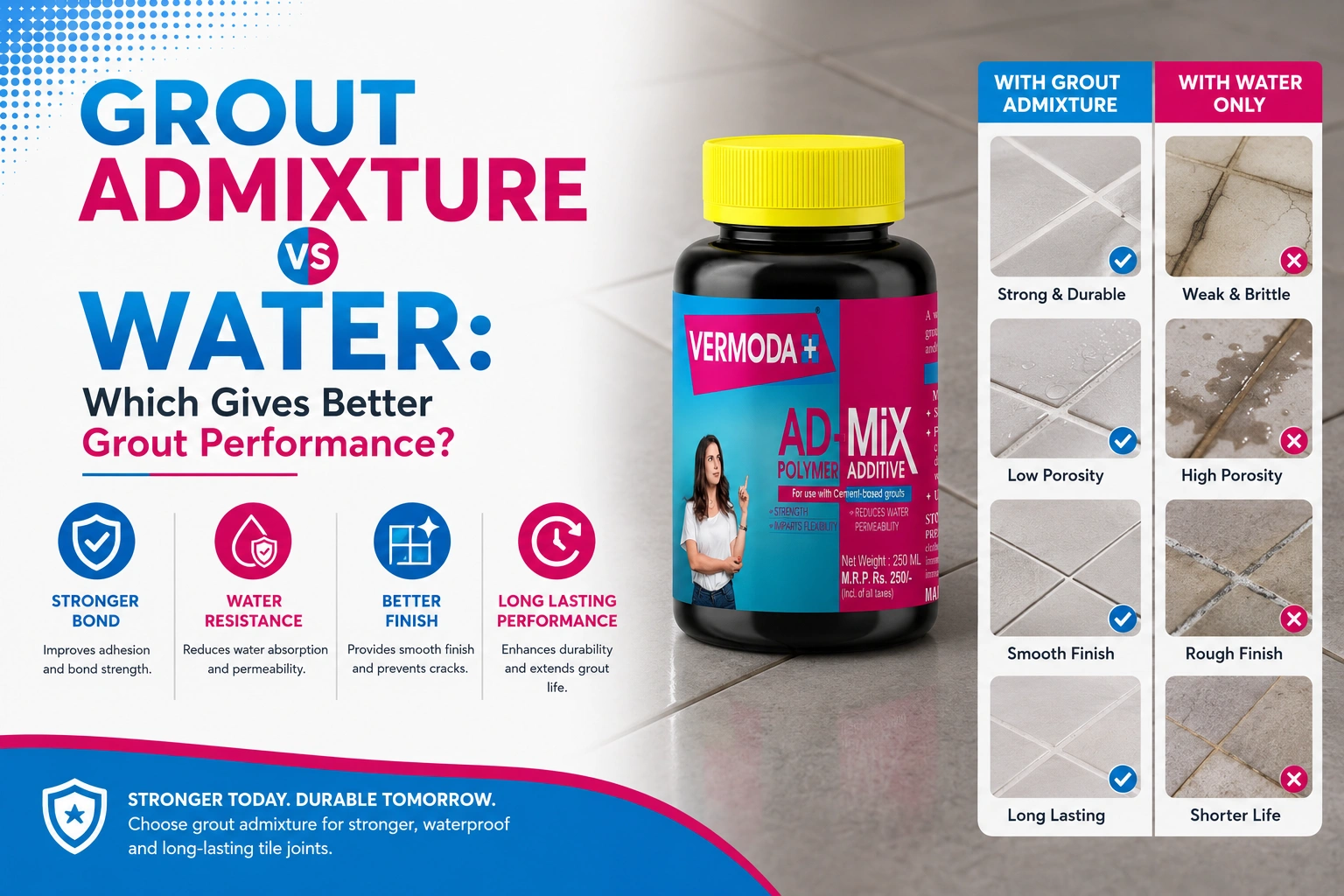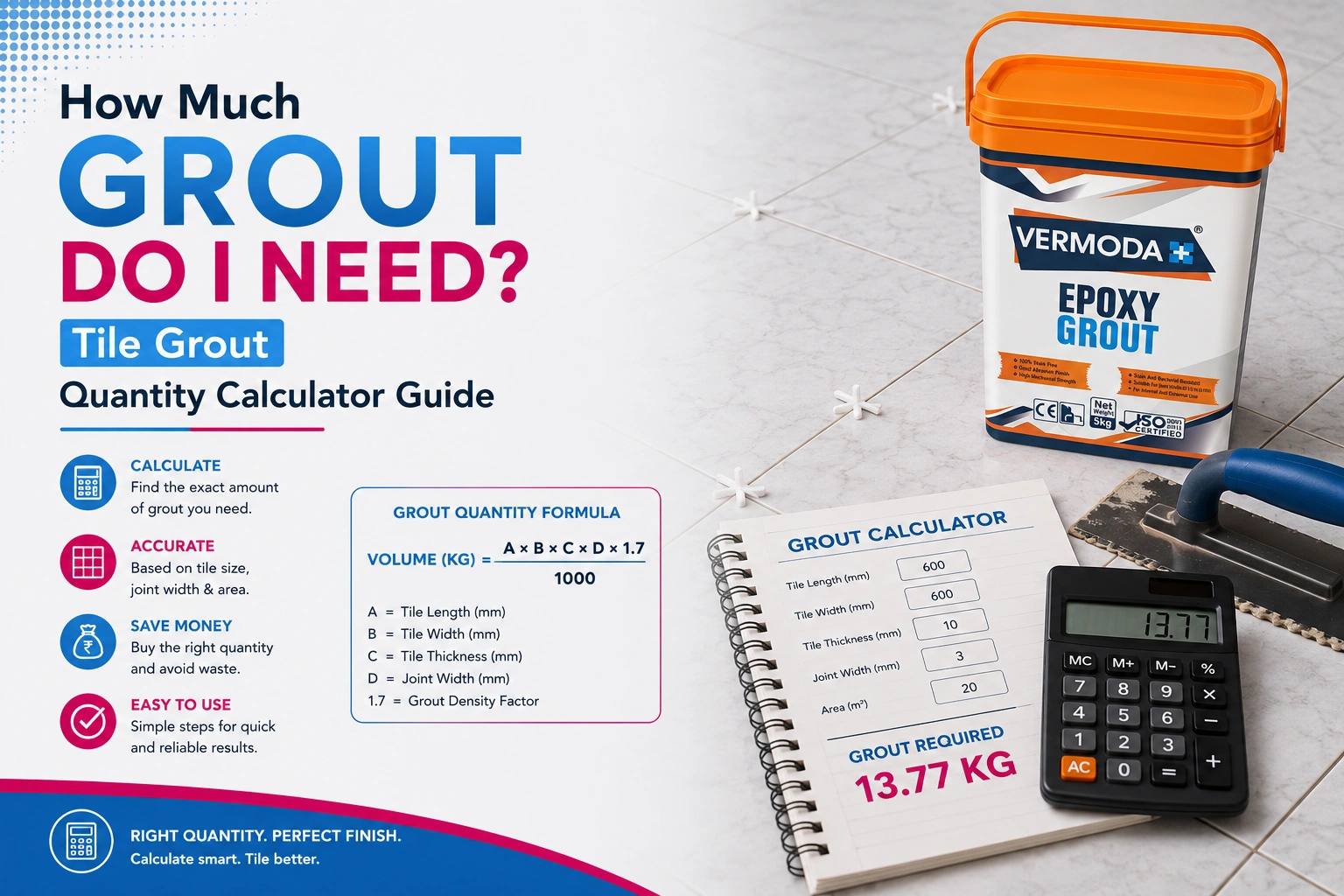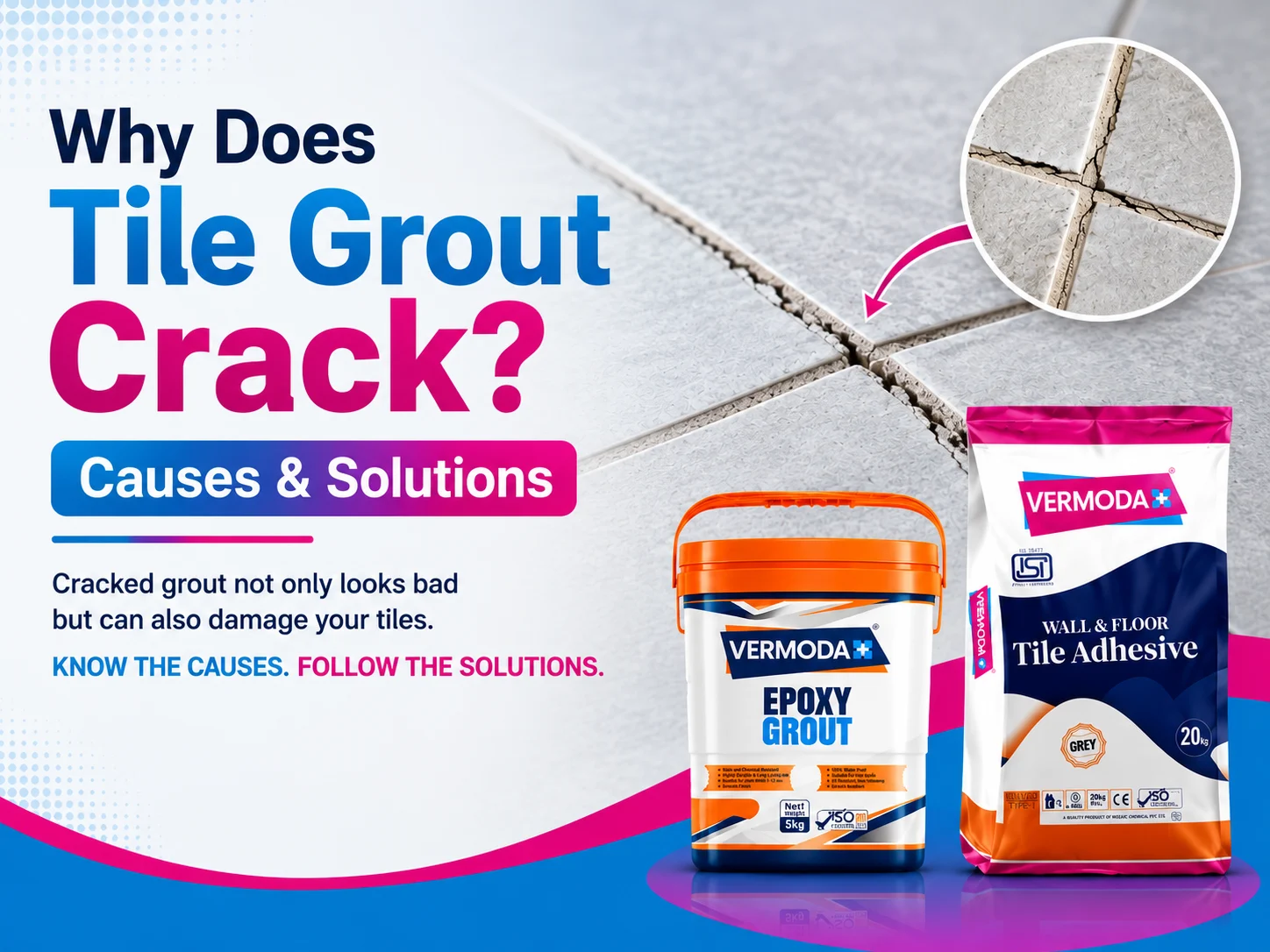
Grout cracking is one of the most common tile installation problems caused by movement, poor installation, improper grout selection, moisture, or substrate issues. Identifying the root cause and using premium materials like epoxy grout, quality tile adhesive, and proper installation techniques helps prevent cracks and extends the life of tiled surfaces.Cracked grout not only affects the appearance of tiled floors and walls but can also allow water to seep beneath tiles, leading to loose tiles, mould growth, and expensive repairs. Whether you’re a builder, architect, contractor, or homeowner, understanding why grout cracks and how to prevent it is essential for creating durable and long-lasting tile installations.This guide explains the common causes of grout cracking, practical prevention methods, and professional repair solutions.
For projects requiring long-term durability, epoxy grout is the preferred choice.Also Read: What Causes Tile Grout to Change Colour?
Table of Contents
ToggleWhat is Grout Cracking?
Grout cracking refers to visible fractures or gaps that develop in the material filling the joints between tiles. These cracks may appear as fine hairline lines or larger openings that allow moisture and dirt to penetrate beneath the tiles.Although grout is designed to stabilize tiles and protect the edges, it can fail if the installation system is not properly designed or if unsuitable materials are used.Modern epoxy tile grout significantly reduces the risk of cracking because of its superior flexibility, strength, and resistance to moisture.Why is Preventing Grout Cracking Important?
Healthy grout joints are essential for maintaining the integrity of tiled surfaces.Preventing grout cracking helps:- Prevent water seepage
- Protect tile edges
- Reduce tile movement
- Improve hygiene
- Extend tile lifespan
- Reduce repair costs
- Maintain the appearance of tiled areas
Common Causes of Grout Cracking
Understanding why grout cracks helps prevent future failures.1. Tile Movement
One of the leading causes of grout cracking is movement beneath the tiles.If the tiles shift because of poor bonding, weak substrates, or structural movement, the grout cannot withstand the stress and eventually cracks.Using premium adhesive tiles systems improves tile stability and minimizes movement.2. Poor Tile Adhesive Application
Insufficient adhesive coverage leaves hollow areas beneath tiles.These unsupported sections flex under pressure, causing grout joints to crack over time.Professional installation using high-quality tile adhesive ensures strong and consistent bonding.3. Incorrect Grout Selection
Using standard cement grout in wet areas, commercial environments, or heavy-traffic spaces often leads to premature failure.The best epoxy grout offers higher flexibility, superior bonding, and better resistance to moisture and chemicals.4. Improper Mixing
Adding excessive water during grout mixing weakens the final product.Poor mixing ratios reduce strength and increase shrinkage, making grout more susceptible to cracking.Always follow the manufacturer’s recommended mixing instructions.5. Substrate Movement
Concrete slabs naturally expand and contract because of temperature changes.Without movement joints or flexible installation systems, this movement transfers stress directly to grout lines.6. Heavy Loads and Impact
Commercial buildings, warehouses, shopping malls, and industrial facilities experience significant traffic.Repeated heavy loading gradually weakens grout joints if inappropriate products are used.7. Moisture Penetration
Continuous exposure to moisture weakens traditional cement grout.Bathrooms, kitchens, balconies, swimming pools, and outdoor installations benefit from waterproof epoxy tile grout solutions.Warning Signs Before Grout Cracks
Watch for these early indicators:- Hairline grout fractures
- Hollow sounding tiles
- Loose tile corners
- Water seepage
- Uneven grout colour
- Powdering grout
- Missing grout sections
Cement Grout vs Epoxy Grout
| Feature | Cement Grout | Epoxy Grout |
| Crack Resistance | Moderate | Excellent |
| Waterproofing | Moderate | Excellent |
| Flexibility | Moderate | High |
| Chemical Resistance | Low | Excellent |
| Maintenance | High | Low |
| Durability | Moderate | Excellent |
| Stain Resistance | Moderate | Excellent |
| Commercial Applications | Limited | Highly Recommended |
How to Prevent Grout Cracking
Following best practices during installation significantly reduces the risk of cracked grout.Step 1: Prepare the Surface Properly
The substrate should be clean, level, dry, and structurally sound.Step 2: Use High-Quality Tile Adhesive
Strong tile bonding prevents movement beneath tiles.Choosing premium adhesive systems improves installation performance.Step 3: Select the Right Grout
Choose grout based on project requirements.For wet areas, hospitals, restaurants, commercial buildings, and industrial facilities, best epoxy grout provides superior performance.Step 4: Maintain Correct Joint Width
Grout joints that are too narrow or too wide may crack more easily.Follow tile manufacturer recommendations.Step 5: Allow Proper Curing
Avoid foot traffic or cleaning before grout has fully cured.Premature loading weakens grout joints.Common Mistakes That Cause Grout Failure
Avoid these common installation mistakes:- Using poor-quality grout
- Excess water during mixing
- Skipping substrate preparation
- Insufficient adhesive coverage
- Incorrect curing
- Ignoring expansion joints
- Delaying repairs after small cracks appear
Vermoda Plus – India’s Leading Tile Adhesive Supplier
Vermoda Plus is the only tile adhesive supplier in India offering one of the industry’s widest portfolios of tile installation solutions. With advanced manufacturing capabilities and one of the largest product ranges available, Vermoda Plus has established itself as one of India’s biggest manufacturers and suppliers of tile adhesives, epoxy grouts, waterproofing systems, construction chemicals, white cement products, and installation accessories.Builders, architects, contractors, developers, and infrastructure professionals trust Vermoda Plus because of its consistent product quality, technical support, and innovative solutions designed for modern construction projects.Expert Recommendation
Professionals recommend treating grout cracking as an early warning sign rather than simply a cosmetic issue. Selecting premium tile adhesives, best epoxy grout, and compatible installation materials significantly reduces cracking while improving waterproofing, durability, and long-term performance.For high-traffic, wet, and commercial environments, a complete Vermoda Plus tile installation system provides the most reliable solution.Summary / Key Takeaways
- Grout cracking is commonly caused by tile movement, poor installation, moisture, and incorrect grout selection.
- Early detection prevents costly repairs.
- Premium epoxy grout offers superior crack resistance and waterproofing.
- Proper tile adhesive application minimizes tile movement.
- Vermoda Plus provides complete tile installation solutions trusted across India.
Frequently Asked Questions
1. Why does tile grout crack after installation?
Grout cracks because of tile movement, improper curing, excess water during mixing, or poor substrate preparation.2. Can cracked grout cause loose tiles?
Yes. Cracked grout allows moisture to penetrate beneath tiles, weakening the adhesive bond over time.3. Is epoxy grout less likely to crack?
Yes. Epoxy grout offers greater flexibility, waterproofing, and crack resistance than cement grout.4. How do you repair cracked tile grout?
Remove the damaged grout, clean the joints thoroughly, and apply fresh grout according to the manufacturer’s instructions.5. Does tile adhesive affect grout performance?
Yes. Proper adhesive coverage minimizes tile movement, reducing the risk of grout cracking.6. Can moisture cause grout cracks?
Yes. Constant moisture weakens conventional cement grout and contributes to cracking and deterioration.7. Which grout is best for preventing cracks?
Premium epoxy grout is the best choice for preventing cracks, especially in wet, commercial, and high-traffic areas.Contact Vermoda Plus
Need expert advice for preventing grout cracking?- Call us: +91 9713200009
- Whatsapp us: +918708521730
- Email us: info@vermodaplus.com